

Freelancing Zero To Six Figures Career Quick Facts (Global 2026)
Indicative Salary Ranges:
While compensation varies heavily by region and employer, these are typical illustrative ranges for Freelancing Zero To Six Figures roles.
| Role Level | Example Remote Range (USD/yr) |
|---|---|
| Junior / Associate | $40,000 – $75,000 |
| Mid-Level | $70,000 – $110,000 |
| Senior / Lead | $120,000+ |
You probably started thinking about freelancing with one simple goal in mind: making a little extra cash on the side. But let's be honest, it can easily turn into something way bigger. For so many of us, it becomes a full-blown career that hands you total flexibility, true independence, and the amazing chance to work with clients from every corner of the globe.
Think about how much the world has changed over the last decade. Remote work isn't just a trend anymore; it's completely flipped how companies hire talent. Businesses have realized they don't actually need everyone sitting in a cubicle from 9 to 5. Instead, they're constantly looking for independent pros just like you to handle web development, graphic design, writing, video editing, and everything in between.
This massive shift means incredible opportunities for you, whether you're still in school, looking to switch careers, or already a seasoned pro. You can build a wildly successful freelance business without dealing with the headaches of a traditional startup. But here's the catch you can't just throw up a profile on a marketplace and expect the clients to come pouring in. It takes real planning, a lot of consistency, and a willingness to keep learning every single day.
I've seen it happen so many times: a freelancer lands their very first gig, feels amazing, and then totally stalls out trying to find the next one. Or worse, they work insane hours but never see their income grow because they get stuck in a cycle of one-off jobs instead of building something that actually lasts.
That's exactly why I put together this guide. I'm going to walk you through exactly how to start from absolute scratch, attract clients you actually enjoy working with, build a rock-solid reputation, and set up a business that brings in consistent, long-term income.
What Is Freelancing?
At its core, freelancing just means you're offering your awesome skills to different people or companies without being tied down as a permanent employee. Instead of having one boss breathing down your neck, you get to juggle multiple clients and choose the projects that actually excite you.

Why More People Are Choosing Freelancing
It's no secret why freelancing is exploding in popularity it gives you the kind of freedom that a traditional job simply can't touch. Here's why so many of us are making the leap:
- Flexible Working Hours: You're the boss of your own schedule. Work when you feel most productive.
- Location Independence: Want to work from a coffee shop in Bali or your own living room? As long as you have Wi-Fi, you're good to go.
- Diverse Projects: Say goodbye to boredom. You get to jump across different industries and learn new things constantly.
- Greater Control: You get to cherry-pick your clients and only take on projects that light a fire in you.
Step 1: Choose a Marketable Skill
Everything starts with that one killer skill you have that solves a real problem for someone else. Don't stress yourself out trying to be a master of everything right away. Just focus on getting really, really good at one specific service first, and you can always branch out later.
Step 2: Build Strong Foundations
Here's a secret: clients don't really care about how many online courses you've finished. They just want to know you can deliver the results they need. So, get your hands dirty! Focus on the fundamentals, build some cool personal projects, and show them you can solve actual, real-world problems.
Step 3: Create an Impressive Portfolio
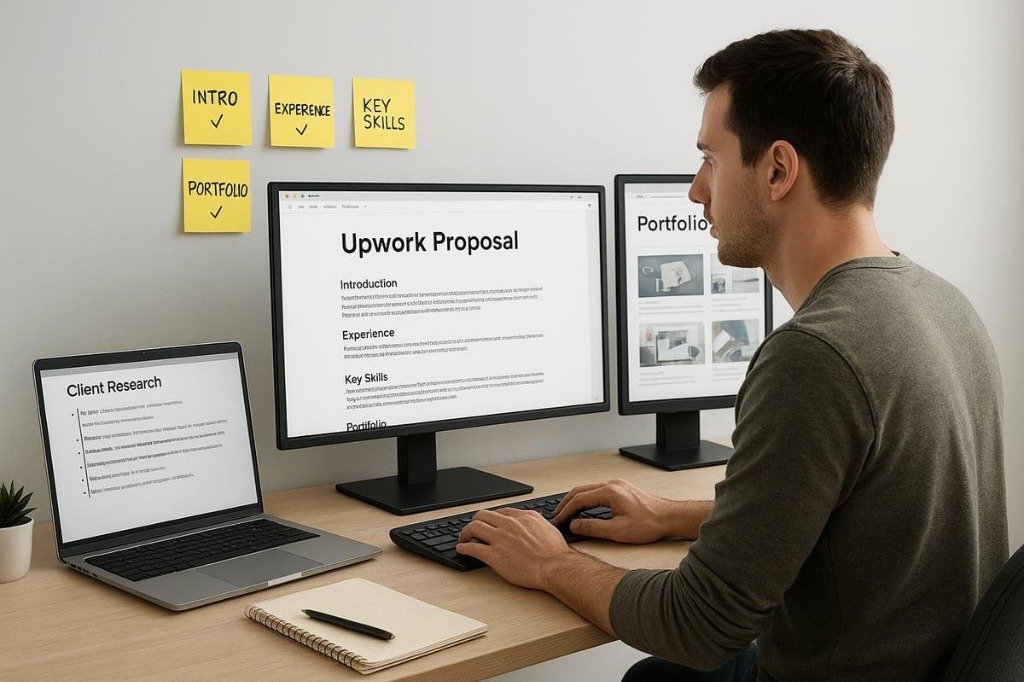
Your portfolio is your absolute best friend. It shows off what you can do way better than a list of certificates ever could. Even if you haven't landed your first official client yet, that's okay! Build some awesome sample projects. Walk people through your thought process, how you tackled the problem, and the tools you used to make it happen.
Step 4 & 5: Find Your Ideal Client & Online Presence
You need to figure out exactly who you want to help. When you know your dream client, talking to them becomes so much easier. After that, it's time to show up online. Put together a clean personal website, polish up that LinkedIn profile, or get your GitHub looking sharp so clients know exactly where to find you.
Step 6: Start Finding Clients
Please don't put all your eggs in one basket! Building long-term stability means you need a few different ways to find clients. Get active on freelance marketplaces, start networking with real people, ask for referrals, and don't be afraid to reach out directly to people on LinkedIn.
Scaling Your Freelance Business (Part 2)
The freelancers who really crush it don't act like temporary gig workers; they treat themselves like real business owners. That means setting up systems that make your life easier, genuinely nurturing your relationships with clients, constantly levelling up your skills, and finding ways to bring in steady income that grows with you.
- Increase Your Rates Strategically: Don't sell yourself short. As you gain experience and deliver more value, bump up those prices!
- Specialise Instead of Generalising: Be the go-to expert for something specific. Instead of "Web Developer," try "React Front-End Specialist."
- Build Recurring Income: Pitch monthly retainers like ongoing support or maintenance so you always know you have cash coming in.
- Manage Your Time: Figure out a schedule that actually works for you. Being productive keeps both you and your clients happy.
- Improve Communication: Your tech skills might get your foot in the door, but how you talk to your clients is what keeps them coming back.
- Build a Strong Personal Brand: When people know who you are and what you stand for, the opportunities will start coming directly to you.
Conclusion
You know, a lot of freelancers eventually hit a point where they want to grow even bigger. They might start an agency, create digital products, or even launch a SaaS platform. The beauty of this is that there's no single "right" way to succeed. Your journey is totally yours to shape, depending on what you love doing and the amazing value you bring to your clients.
Freelancing Zero To Six Figures Essential Resources
Ready to take the next step? Here are the most relevant and targeted resources specifically for Freelancing Zero To Six Figures: