

Networking For Introverts Career Quick Facts (Global 2026)
Indicative Salary Ranges:
While compensation varies heavily by region and employer, these are typical illustrative ranges for Networking For Introverts roles.
| Role Level | Example Remote Range (USD/yr) |
|---|---|
| Junior / Associate | $40,000 – $75,000 |
| Mid-Level | $70,000 – $110,000 |
| Senior / Lead | $120,000+ |
When you hear the word "networking," do you immediately picture stuffy, crowded conferences and awkward small talk with complete strangers? It's so easy to think it's a game only extroverts can win those folks who seem to thrive on mingling and selling themselves effortlessly.
If you're an introvert, just the thought of all that can be totally exhausting. You might worry about interrupting someone, saying the wrong thing, or feeling like a cheesy salesperson. It's no wonder so many of us feel tempted to skip networking altogether, thinking we have to fake an outgoing personality just to fit in.
But here's the good news: that's not what networking is really about.
Forget about collecting stacks of business cards or spamming hundreds of people on LinkedIn. True networking is just about making genuine friends in your industry. It's about mutual respect, shared passions, and having actual, meaningful conversations. And guess what? Those classic introverted traits like being a great listener, thinking deeply before you speak, and showing real empathy are actually your secret superpowers for building lasting connections.
Whether you're a student hunting for that first internship, a dev looking for your next big role, a freelancer trying to find awesome clients, or just someone wanting to grow their professional circle, networking on your own terms can unlock doors your resume alone can't.
So, let's dive into some totally doable, low-stress strategies made specifically for those of us who'd rather have one great conversation than work a room of fifty people.
What Networking Really Means
At its core, networking is just making friends who get what you do. It's about connecting with folks who share your career goals, industry quirks, and professional passions whether they're classmates, mentors, or future coworkers.

Why Networking Matters
You've probably heard that "it's who you know," and honestly, it's true. A solid professional circle can help you uncover hidden job openings, find incredible mentors, spark fun collaborations, and give you a massive boost in confidence.
Introversion Is Not a Weakness
Please don't underestimate your quiet strengths! Some of the most successful people out there are introverts. Why? Because they take the time to really listen, they think before they speak, and they build relationships that actually matter instead of just skimming the surface.
Stop Thinking of Networking as Selling Yourself
If you hate the idea of "selling yourself," good you don't have to! Think of networking as simply learning from someone else's journey. Go into conversations with genuine curiosity to hear their story, rather than feeling the pressure to pitch your own.
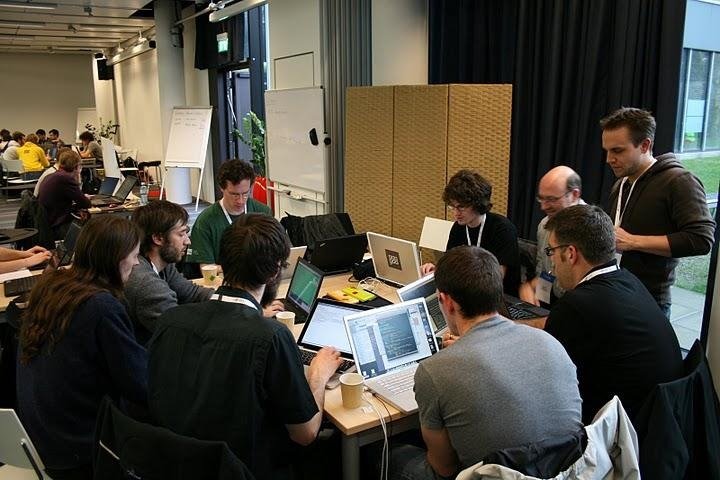
Build Your Online Presence
Thankfully, a lot of networking happens from the comfort of your couch these days. Make it easy for awesome people to find you by keeping your LinkedIn, GitHub, or personal portfolio up to date and reflective of who you are.
Learn How to Start Conversations
Starting a chat doesn't have to be scary. Try simple, low-pressure openers like, "What inspired you to get into this field?" or "What cool tools are you playing around with lately?" It takes the pressure off you and gets them talking about what they love.
Maintaining Relationships (Part 2)
As you grow in your career, you won't need to hustle to meet new people constantly. It becomes much more about nurturing the great connections you already have.
- Build Relationships Before You Need Them: Don't wait until you need a job! Drop a quick "congrats" on their work anniversary or say hi just to check in.
- Follow Up Professionally: Had a good chat? Send a quick message to say thanks it goes a surprisingly long way.
- Find the Right Mentor: Look for someone whose path you admire. They can be a lifesaver when you're trying to figure out your next steps.
- Build Your Personal Brand: Share what you're learning. Helping others is honestly one of the best ways to get noticed.
- Handle Rejection Gracefully: Left on read? Don't sweat it. People get busy, and it's almost never personal. Just keep moving forward.
Support Others and Be Authentic
The best networking is a two-way street. When you genuinely support others and bring your real, authentic self to the table, you build deep trust and that beats trying to look "perfect" any day of the week.
Networking For Introverts Essential Resources
Ready to take the next step? Here are the most relevant and targeted resources specifically for Networking For Introverts: