

Portfolio Building 101 Career Quick Facts (Global 2026)
Indicative Salary Ranges:
While compensation varies heavily by region and employer, these are typical illustrative ranges for Portfolio Building 101 roles.
| Role Level | Example Remote Range (USD/yr) |
|---|---|
| Junior / Associate | $40,000 – $75,000 |
| Mid-Level | $70,000 – $110,000 |
| Senior / Lead | $120,000+ |
Think of your portfolio as your professional superpower in today's fiercely competitive job market. Whether you're a software engineer, web developer, UI/UX designer, data analyst, digital marketer, or freelancer, it goes way beyond just listing your skills it actually shows employers exactly what you can create.
Let's face it, a lot of candidates share the same qualifications, certifications, and technical skills as you. But what really makes the successful ones stand out is their knack for showing off real-world projects that tackle genuine problems. When a recruiter looks at a beautifully organized portfolio, it instantly gives them the confidence that you know how to turn theory into practice.
Sadly, a lot of portfolios just don't hit the mark. Sometimes people just throw in a few screenshots without any context, or they leave projects half-finished. But here's the thing: recruiters aren't just looking for a shiny final product. They really want to peek inside your head. They want to understand your thought process, the hurdles you overcame, and why you made the choices you did.
That's where case studies swoop in to save the day! A great case study turns a basic project into a compelling professional story. It walks the reader through the problem, your unique approach, the tools you used, and the awesome results you delivered. Plus, a well-written case study does double duty: it proves your technical chops while showing off your communication and problem-solving skills.
In this guide, we're going to dive into how to craft a professional portfolio and write engaging case studies that will instantly catch the eye of recruiters and hiring managers. Ready to get started?
What Is a Professional Portfolio?
Simply put, a portfolio is a carefully curated collection of your absolute best work, presented in a clean and professional way. While your resume gives a quick summary of your qualifications, your portfolio is the hard proof of what you can actually do.
At its core, your portfolio answers the most important question a hiring manager has: "What can this person actually build?"
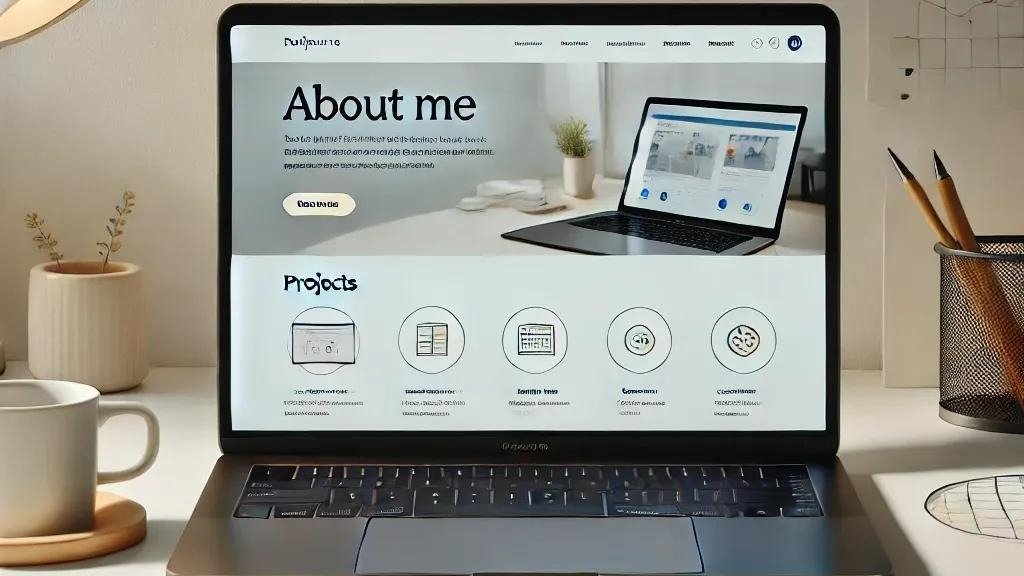
Why Every Technology Professional Needs a Portfolio
Today's employers care way more about what you can do than what you just know in theory. Having a strong portfolio is your chance to shine it showcases your hands-on experience, builds your credibility, sets you apart from the crowd, and gives you amazing talking points during interviews.
Quality Is Better Than Quantity
One of the biggest traps people fall into is trying to show off every single project they've ever touched. Don't do it! It's much better to handpick a few truly stellar projects. Five polished, high-quality projects will always leave a better impression than twenty half-baked ones.
Choose Projects That Solve Real Problems
Projects instantly become more impressive when they tackle real-world challenges. Think about things like a Student Management System, a slick Weather Dashboard, or a clever AI Chat App. Recruiters absolutely love seeing projects that prove you can think practically and solve everyday problems.
Why Case Studies Matter
You'd be surprised how many candidates just dump screenshots on a page with zero explanation. A case study changes the game by answering the "why" and "how." Why did you build this? What obstacles did you hit? Why did you pick those specific tools? And how did you eventually overcome the challenges?

A Simple Case Study Structure
Want to write an effective case study? Here's a simple, foolproof structure you can follow:
- Project Overview: Give a quick, high-level summary of what the project is all about.
- Problem Statement: What was the specific issue you set out to solve?
- Objectives: What were your main goals for this project?
- Technologies Used: List out the tech stack and tools you chose.
- Your Role: Don't be shy explain exactly what you contributed!
- Challenges & Solutions: Share the bumps in the road and how you creatively solved them.
- Results & Lessons Learned: Wrap it up with the final outcome and the biggest takeaways from your experience.
Write for Humans & Use High-Quality Visuals
Try to avoid drowning your readers in technical jargon. Writing clearly makes your portfolio a breeze to read for everyone, whether they're a fellow dev or a non-technical recruiter. And don't forget the visuals! Crisp, high-quality screenshots of your homepage, dashboard views, and mobile layouts can really bring your project to life.
Advanced Portfolio Strategies (Part 2)
Building a standout portfolio is about so much more than just hitting "upload" on your finished projects. How you organize your work, talk about your specific contributions, show off your GitHub repos, and share your personal learning journey all play a massive role in how recruiters see your potential.
- Tell a Story: Don't just list features; take the reader on the journey of how the project came to be.
- Present GitHub Repositories Professionally: Make sure your repos look sharp with a descriptive title, a clear README, and easy-to-follow installation instructions.
- Showcase Problem-Solving Skills: Structure your thoughts around the Challenge, the Solution, and the final Outcome.
- Optimise for Mobile & Performance: Always double-check that your portfolio looks great on phones and loads lightning fast!
- Build a Strong Personal Brand: Add a warm introduction that shares a bit about who you are and where you want to go in your career.
Keep Your Portfolio Alive
Your portfolio isn't a one-and-done deal it should grow and evolve right alongside your career! Make it a habit to update it whenever you crush a new project, pick up a new tech skill, earn a certification, or publish an article. A living, breathing portfolio shows that you're passionate, always learning, and constantly growing as a professional.
Portfolio Building 101 Essential Resources
Ready to take the next step? Here are the most relevant and targeted resources specifically for Portfolio Building 101: