
Resume Building Masterclass Career Quick Facts (Global 2026)
Indicative Salary Ranges:
While compensation varies heavily by region and employer, these are typical illustrative ranges for Resume Building Masterclass roles.
| Role Level | Example Remote Range (USD/yr) |
|---|---|
| Junior / Associate | $40,000 – $75,000 |
| Mid-Level | $70,000 – $110,000 |
| Senior / Lead | $120,000+ |
Think of your resume as your very first handshake with a potential employer. Long before you get to chat with a recruiter, dazzle them in an interview, or show off your amazing portfolio, your resume does the talking for you. And here's the kicker: in today's tech-driven world, your first audience is often a piece of software, not even a human being!
It's heartbreaking, but true: so many incredibly talented candidates miss out on great opportunities simply because their resumes don't do them justice. If your resume is bogged down with vague tasks, messy formatting, or missing those all-important keywords, it might never make it to a hiring manager's desk no matter how perfect you are for the job.
But don't worry! A truly great resume does so much more than just list where you've worked. It tells your unique professional story, shines a spotlight on your real achievements, proves you can solve tough problems, and clearly shows employers exactly why they'd be lucky to have you on their team.
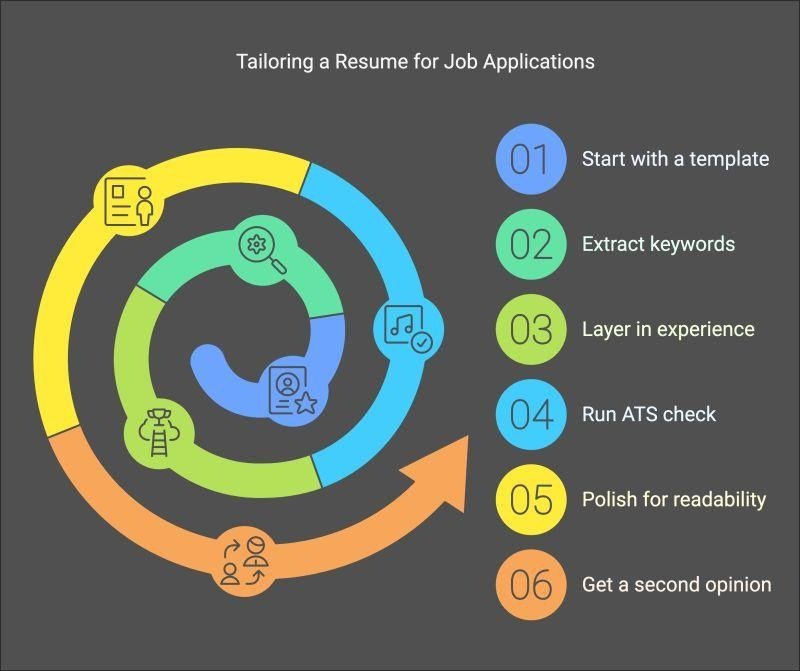
In this masterclass, we're going to walk together through creating a modern, stand-out resume. You'll learn how to write action-packed bullet points that grab attention, highlight your true worth, and sail smoothly past those Applicant Tracking Systems (ATS) straight into a recruiter's hands.
What Is a Resume?
At its heart, a resume is a snapshot of your professional journey. It elegantly bundles up your education, work history, technical skills, projects, and proudest moments. Its main job? To make it crystal clear why you're the absolute best fit for the role you're dreaming of.
Remember, it's not an autobiography! Instead of listing every single thing you've ever done, your resume should be a carefully curated highlight reel, tailored specifically to the position you want.
Understanding Applicant Tracking Systems (ATS)
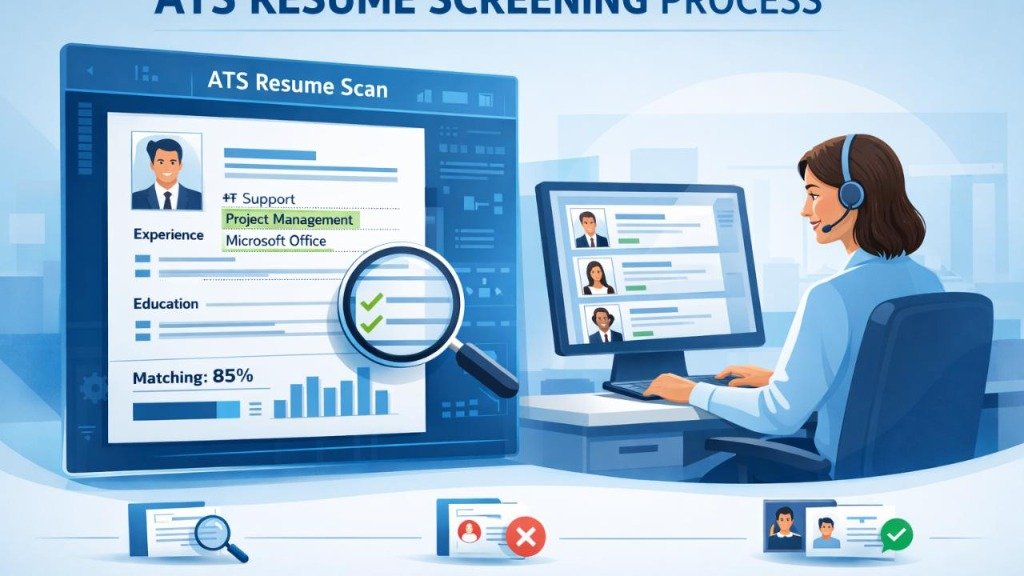
Let's talk about Applicant Tracking Systems (ATS). A lot of companies use these tools to keep their mountains of job applications organized. An ATS simply helps employers store resumes, search for specific candidate skills, spot important keywords, and manage the hiring flow.
Despite what you might have heard on the internet, an ATS isn't an evil robot trying to reject you! It's just a tool to help recruiters handle thousands of applications without losing their minds. That's why it's so crucial to write your resume clearly and naturally weave in the right keywords from the job description.
Common Resume Mistakes
We've all been there making little mistakes that accidentally take the shine off our resumes. Here are a few common traps to avoid:
- Using clunky, outdated templates or writing massive, unreadable blocks of text.
- Oversharing personal details (like your marital status or a selfie keep it professional!).
- Just listing boring daily duties instead of showing off your actual achievements.
- Using a copy-paste generic objective instead of a powerful, personalized summary.
- Sending out the exact same resume for every single job without tweaking it to fit.
The Importance of Action-Oriented Bullet Points
Here's a secret: employers care about the amazing results you delivered, not just the tasks you were assigned. Let's look at a quick comparison:
- A bit dull: Responsible for maintaining the company website.
- Wow factor: Developed and maintained a lightning-fast, responsive company website, drastically improving page load times and creating a seamless experience for both desktop and mobile users.
Always kick off your bullet points with punchy action verbs (like Engineered, Designed, Automated, or Optimised). Ditch passive phrases like "Responsible for" or "Helped with" you own your success!
Show Results Whenever Possible
Employers absolutely love seeing measurable wins. Instead of just saying you "Improved website performance," try something like, "Optimised website performance, slashing page load times by 40% through clever code refactoring and image compression." See the difference?
Optimise Your Resume for ATS Keywords (Part 2)
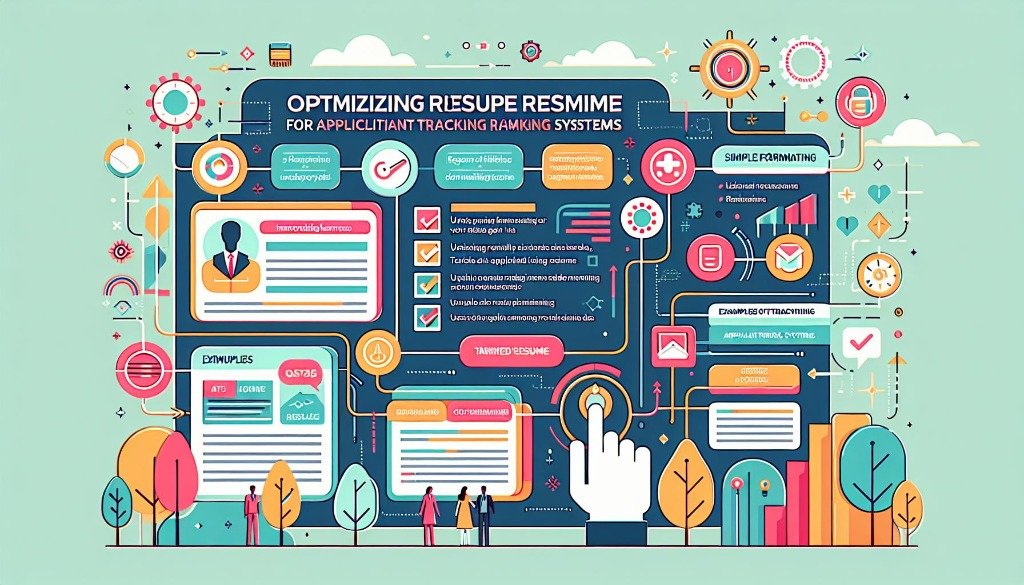
Since we know Applicant Tracking Systems are scanning for keywords, give them what they want! Take a close look at the job description and naturally sprinkle in those relevant skills (like JavaScript, React, or REST APIs) provided you actually know how to use them, of course!
Quantify Your Achievements
Numbers speak volumes. They help employers truly grasp the impact you've made. Whether you boosted user growth, saved your team hours of manual work, or squashed critical bugs, attach a number to it. Specifics make your story so much more believable and impressive.
Present Projects Like Professional Experience
Your side projects are pure gold, especially if you're a student, recent grad, or transitioning into a new field! Treat them with the same respect as a full-time job. Include the project title, the tech stack you used, what you built, and the fantastic results you achieved.
Writing an Effective Skills Section
Don't just throw all your skills into a messy pile! Group them into neat, logical categories like Programming Languages, Front-End Development, Databases, and Tools. This makes it a breeze for both human recruiters and ATS bots to see exactly what you bring to the table.
Keep Your Resume Clean and Readable
A busy recruiter only has a few seconds to scan your resume, so make those seconds count! Use crisp headings, plenty of breathing room (white space), professional fonts, and neat alignment. Skip the crazy colors, wild graphics, or complicated tables they might look cool, but they can confuse an ATS and frustrate a reader.
Resume Building Masterclass Essential Resources
Ready to take the next step? Here are the most relevant and targeted resources specifically for Resume Building Masterclass: