

The Hidden Job Market Software Engineering 2026 Career Quick Facts (Global 2026)
Indicative Salary Ranges:
While compensation varies heavily by region and employer, these are typical illustrative ranges for The Hidden Job Market Software Engineering 2026 roles.
| Role Level | Example Remote Range (USD/yr) |
|---|---|
| Junior / Associate | $40,000 – $75,000 |
| Mid-Level | $70,000 – $110,000 |
| Senior / Lead | $120,000+ |
We've all been there that totally deflating moment when you stumble upon a company you genuinely love. You dig through their website, obsess over their products, and can already picture yourself grabbing a coffee in their breakroom. But then, you hit the careers page...
And nothing. Crickets. Not a single software engineering role in sight. No junior spots, no internships just a whole lot of nothing. So, feeling a bit defeated, you click away and move on.
But here's a little secret that can totally change your perspective: Just because there isn't a shiny job posting doesn't mean there isn't an opportunity waiting for you.
Think about it: sometimes a company is gearing up to hire but hasn't had the time to write the job description yet. Sometimes a team is desperate for an extra set of hands but is still waiting on the green light from finance. Other times, a manager is casually keeping an eye out for great talent before making it official. And honestly? Sometimes the role doesn't even exist yet but the right chat with the right person can spark it into reality.
This is what folks mean when they talk about the "hidden job market." It sounds super secretive, right? Like there's some VIP list of jobs hidden behind a velvet rope. But it's actually much simpler than that. The hidden job market is just a fancy term for opportunities that haven't hit the public job boards yet or roles filled through genuine connections rather than a stressful stack of applications.
Once you get the hang of tapping into these opportunities, your whole job hunt will feel so much lighter. Instead of endlessly scrolling through job boards and feeling like just another resume in a pile of hundreds, you can focus on making real friends in the industry, discovering awesome companies early, and getting your foot in the door before the rush.
Now, I'm not saying you should completely ditch job applications! This is simply about adding another, more human layer to your search. Let's dive into how you can do this naturally without feeling pushy, awkward, or like you're only in it for the networking.
1. Stop Treating Job Boards as the Entire Job Market
Don't get me wrong, job boards are fantastic tools. But wow, they can be fiercely competitive. The second a cool engineering role goes live, hundreds of eager folks are clicking "Apply."
You'll be up against folks with years of experience, shiny degrees, internal referrals, and candidates from literally all over the globe. It can feel pretty overwhelming!
That doesn't mean you shouldn't try, but it does mean you shouldn't put all your eggs in the job board basket.
Try picturing your job search like making a new friend. First, you discover them. Then, you learn what they're all about. You chat, follow their updates, and get to know what they're working on. Eventually, an opportunity naturally pops up.
If you've been nurturing that relationship, you aren't just a stranger when the role finally opens. You've already done the groundwork! You might know folks on the team, interacted with their content, or even tinkered with tech they love.
Compare that to someone who just saw the job ad 30 seconds ago. They might be incredibly talented, sure, but you? You've got context and a genuine connection. That's the magic of looking beyond the boards.
2. Make a List of Companies You Actually Want to Work For
Instead of waking up and aggressively searching for "software engineer jobs" every single morning, let's try something more fun. Start building a wishlist of companies. Jot down 20, then maybe 50. Before you know it, you'll have a list of 100 places that could be your next professional home.
And hey, they don't have to be the tech giants everyone talks about. Some of the most rewarding roles are at places you might not expect. Think about:
- Exciting new startups
- Innovative fintech teams
- Companies revolutionizing healthcare
- E-commerce powerhouses
- Logistics and delivery platforms
- EdTech tools shaping the future
- Local businesses in your neighborhood
- Consulting agencies
- Tech initiatives in government
- Manufacturing giants with tech divisions
- Smaller businesses that desperately need custom internal tools
The trick here is to broaden your horizons. A company doesn't need to be slapped with a "Tech" label to need brilliant developers. Hospitals, banks, retail stores, and shipping companies all have massive tech challenges to solve!
When you start seeing the world this way, your universe of potential employers instantly expands.
3. Research the Company Before You Contact Anyone
Alright, here's where things often go sideways. We've all seen those messages: "Hi! I need a software engineering job. Are you hiring?"
We totally get where that comes from job hunting is stressful! But let's be real, it doesn't leave much room for a genuine reply. A much warmer approach starts with a little curiosity. Take five minutes to find out:
- What are they actually building?
- Whose lives are they making easier?
- What's their tech stack like?
- What massive problems are they tackling right now?
- Did they just drop a cool new feature?
- Are they expanding their team?
- Did they recently celebrate a funding round?
- Are they tapping into new markets?
- Who is guiding their engineering crew?
You don't need to write a thesis on them! Just grab enough context to have a meaningful, human conversation.
Example Approach
Instead of the classic "Are you hiring?", try something like: "Hey there! I stumbled on your app while looking into the EdTech space and was blown away by your new personalized learning features. I'm super passionate about the engineering behind tools like this, and I'd absolutely love to hear how your team approaches these kinds of challenges!"
See how different that feels? You aren't asking for a favor you're showing genuine interest. It's so much warmer and way more likely to get a smile and a reply.
4. Follow Companies Before You Need a Job
One of the toughest spots to be in is trying to make connections only when you urgently need a paycheck. The pressure is on, and your chats can accidentally feel a bit transactional.
A sweeter approach? Start planting seeds early. Follow companies that catch your eye. Geek out over their engineering blog. Cheer on their product launches. Connect with their devs online.
You might just catch wind of a massive new project months before they even draft a job posting. You might spot a team scaling up, or see a dev chatting about a framework you're currently mastering. Those little details give you the perfect excuse to say hello.

5. Talk to Engineers, Not Just Recruiters
Recruiters are absolute rockstars, but they aren't the only ones who can give you the inside scoop. Fellow engineers can give you the real, unfiltered day-to-day reality. They know the tech, the headaches, the triumphs, and crucially when their team is feeling the strain and needs to hire.
And guess what? You don't have to ask them for a job! Just ask about their journey. Try something like: "Hi! I'm diving into backend roles and saw you're working on some incredible distributed systems. I'm currently wrapping my head around that space what skills do you think are absolute lifesavers for someone just starting out?"
It's such a lovely question! You're valuing their expertise, not demanding a resume review. You're simply opening the door for a chat, and you'd be amazed how often those chats blossom into real opportunities.
6. Learn How to Ask for Advice Without Making It Awkward
Networking can feel incredibly daunting because it feels like you're constantly asking strangers for huge favors. But you don't have to! Just keep your asks tiny and specific.
For example: "I'm hoping to pivot into fintech engineering soon. Since you've been in this space for a while, if you could give your younger self one piece of advice for breaking in, what would it be?"
That is wonderfully easy to answer. It feels good to be asked for wisdom! It's way less intimidating than "Can you get me an interview?"
You could also ask about their story: "I loved seeing your journey from junior dev to backend pro! I'm hoping to walk a similar path. What were the habits or skills that really helped you level up early on?"
7. Don't Send the Same Message to Everyone
We can all spot a copy-paste message from a mile away, right? Especially when it starts with: "Dear Sir/Madam, I am a highly motivated individual..."
It sounds like a robot wrote it! Adding a personal touch doesn't mean writing a novel. Just pick out one genuine thing you noticed about them.
- Did they write a great blog post?
- Are they active in an open-source repo?
- Did their team just ship something cool?
- Did you go to the same school?
- Do you both have a weird obsession with a specific niche framework?
The golden rule is simply: Why did you choose to message this specific human being? If you answer that honestly, your message will feel warm, authentic, and totally human.
8. Use Your Existing Network Even If You Think You Don't Have One
When we say "network," people usually picture executives in suits. But your network is probably so much richer than that already!
Think about: People you went to school with, old classmates, favorite professors, TAs who helped you debug, former coworkers, folks from your internship, friends, family, project partners, or even friends from your favorite Discord servers.
You don't need to beg them for a job. Just happily share what you're up to: "Hey! I'm currently on the hunt for junior backend roles. If you happen to hear about any cool teams hiring, I'd be so grateful if you let me know!"
It's that easy. It's beautiful how often the perfect role comes from a casual conversation with an old friend.
9. Go Where Developers Actually Gather
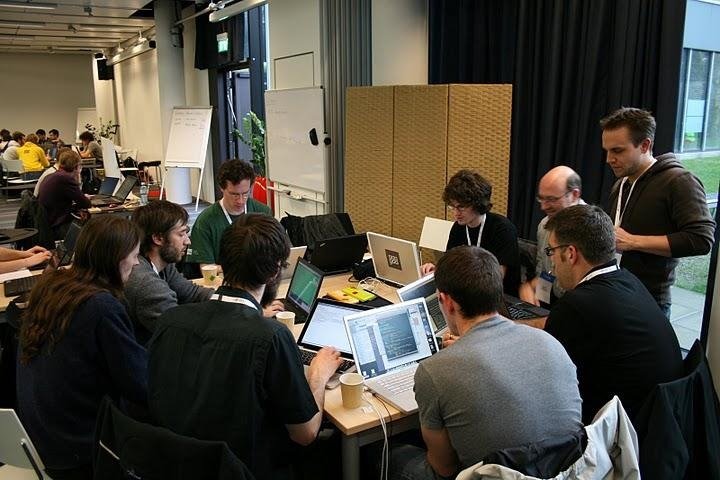
Connecting online is great, but don't forget the power of hanging out in developer communities! Check out local meetups, jump into a hackathon, attend conferences, drop by university events, or join coding workshops.
Please don't walk into these spaces feeling like you *must* walk out with a job offer. That's way too much pressure! Just go to make friends and nerd out. Ask folks what they're building, share what you're learning, and just enjoy the vibe.
10. Pay Attention to Companies That Are Growing
Where there is growth, there are jobs! If a company is launching cool new tools, entering fresh markets, celebrating a massive funding round, or just clearly expanding chances are they'll need more brilliant minds soon.
You don't need a crystal ball. Just stay observant. If a startup you love just went from 5 to 20 people, but only has two devs? Keep them on your radar. They might not be hiring this exact second, but in a few months, they'll likely be looking for someone just like you.
11. Watch for the "Almost Hiring" Signals
Sometimes, teams practically shout that they need help without ever posting a job link. Keep your ears open for phrases like:
- "We're growing our engineering family."
- "We're taking our platform to the next level."
- "Gearing up for our next big technical hurdle."
- "We're in building mode."
- "We're scaling our infrastructure fast."
It's not a guaranteed job offer, but it's a glowing neon sign that they might need help soon. Perfect time to introduce yourself!
12. Create Your Own Reason to Start a Conversation
Here's a remarkably fun strategy: instead of asking if they have open roles, just talk about the cool stuff you're already doing!
Say you adore a company that uses a specific tech stack. Go build a mini-project using that stack! Write about the hurdles you faced and the 'aha!' moments you had. Then, reach out and share it.
You could say: "I've been diving deep into event-driven architecture and just built a mini-project to wrap my head around message queues. I know your team tackles this at scale, and your recent blog post on it was a lifesaver for me!" Boom instant, meaningful connection.

13. Don't Be Afraid to Contact Smaller Companies
Big tech companies are swamped with resumes. Smaller companies, though? They operate on a much more human level. You might end up chatting directly with the lead engineer, a founder, or the person who'd literally be your manager.
This creates beautiful, organic opportunities that you'd never find on a massive job portal. Look for passionate, smaller teams. Fall in love with their product, and reach out with genuine enthusiasm.
14. Build Relationships Before You Need Them
If you only take one thing away from this, let it be this: don't wait until you're stressed and unemployed to start making friends in the industry!
Building relationships should be a slow, joyful process. Chat with folks. Share resources. Hype up their wins. Be a helpful voice in a community. When the time comes that you *do* need a job, you'll have an entire support system ready to lift you up.
The Hidden Job Market Isn't Really Hidden
Calling it the "hidden job market" makes it sound so elusive. I promise, it's not. There's no secret society of jobs.
It just means that the best opportunities often come from a great conversation, a supportive community, a warm referral, or simply knowing the right person when a team starts to grow.
You're not trying to cheat the system you're just creating more beautiful pathways for opportunities to find you.
Part 2: Approaching Opportunities
Alright, so we've demystified the hidden job market. Now for the fun part: how do we gracefully step into these opportunities?
15. Find the Right Person to Talk To
Once you've found your dream company, who do you actually message? Well, it depends on the vibe and size of the team.
At a big enterprise, you might want to say hi to a recruiter, an engineering manager, or a senior dev. At a scrappy startup, don't be shy about messaging the founder or CTO directly!
If you want mentorship, engineers are your best bet. If you want to know about team growth, look for managers. Just know *why* you want to talk to them before you hit send.
16. Write Messages That Sound Like Conversations
The best outreach messages are short, sweet, and sound like something you'd say over coffee. Check this out:
"Hey Alex! I just read your post on scaling backend services and your thoughts on caching were exactly what I needed to hear today. I'm experimenting with similar concepts in a side project right now, so your insights were incredibly timely. Just wanted to say thanks for sharing!"
Isn't that nice? You didn't demand anything. You just made their day a little brighter and started a lovely conversation.
17. If You Want Advice, Ask a Specific Question
"Can you give me career advice?" is a bit like asking "How do I live my life?" It's too big! Keep it focused and bite-sized.
Try: "I'm hoping to land my first junior backend role soon. I saw you made the leap from Java to distributed systems if you were starting over today, what's the one skill you'd tackle first?"
18. How to Approach a Hiring Manager
Messaging a hiring manager can feel terrifying, but remember: they are just humans trying to solve a problem. They are actively hoping to find someone wonderful (like you!) to help their team.
Don't try to prove you're the smartest dev alive. Just be friendly, clear, and show why you care.
"Hi Sarah! I've been following your team's work on developer tools and I'm a huge fan. I'm an early-career dev heavily focused on backend (mostly Python and PostgreSQL), and since your team uses a similar stack, I just wanted to drop a quick hello and say I love what you're building. Have a great week!"
Notice how breezy that is? No life story, no desperation. Just a warm, professional wave hello.
19. What If You Don't Get a Response?
Take a deep breath it happens to literally everyone! It almost never means they don't like you. People get busy, inboxes get flooded, or they might just be on vacation.
Give it a little time, and then send one super gentle follow-up: "Hi Sarah! Just bubbling this up in case it got lost in the shuffle. I know you're super busy, so absolutely no worries if you don't have time to reply! I'm still cheering on your team's work from the sidelines. Thanks!"
If it's still crickets, let it go with grace. You want to make meaningful connections, not force them.
20. The Right Way to Ask for a Referral
Referrals are amazing, but they are a gift, not a given. Asking for one five minutes after meeting someone is a bit like asking to borrow their car it's too soon!
If you've had a few good chats and a role pops up, ask gently: "Hey! I saw the new engineering role on your team and I'm so excited to apply. Based on our chats, it feels like a wonderful fit. Would you feel comfortable referring me? I completely understand if you'd rather not, absolutely no pressure at all!"
21. Don't Ask Someone to "Put in a Good Word" Without Context
Make it incredibly easy for someone to recommend you! If they agree to refer you, give them all the ammo they need: the exact role, why you're passionate about it, and a quick summary of why your skills make you a great match.

22. Turn Your Projects Into Conversation Starters
Your side projects aren't just for showing off code they are the perfect excuse to connect! If you tackle a bug using a company's open-source tool, tell them about it!
For example: "I just built a fun little app using your API, and I had the best time figuring out the rate-limiting quirks. I noticed your team wrote a post about that last year, and it was a total lifesaver for me!"
23. Use Online Communities Without Turning Them Into Job Boards
We love Discord and Slack communities, but walking in and yelling "HIRE ME" is a quick way to be ignored.
Instead, become a valued member! Help someone debug, share a cool article you read, ask a genuine question, and celebrate other people's wins. When people like having you around, opportunities naturally start flowing your way.
24. Don't Ignore Former Classmates
Your peers are your future industry leaders! The folks you struggled through algorithms class with will eventually be seniors, managers, and founders.
You don't have to text them every day, but drop a supportive comment on their LinkedIn every now and then. One day, they might just be the one to say, "Hey, my team needs someone exactly like you."
25. Don't Underestimate Professors and Mentors
Professors are incredibly well-connected! They know researchers, alumni, and local tech leaders. But treat them like mentors, not just a reference-letter machine. Keep them updated on your journey they genuinely want to see you succeed.
26. Follow Up After Interviews Even When You Don't Get the Job
Getting a rejection stings, but it doesn't have to be the end of the story! Send a gracious thank-you note to your interviewer.
You'd be amazed how often a company keeps a gracious runner-up in mind for the very next role that opens up. Leave them with a warm, professional final impression.
27. Keep a Simple Networking Spreadsheet
Okay, it sounds a little nerdy, but it's a lifesaver! Just keep a simple sheet with Names, Companies, Where you met them, and a quick note on what you chatted about. It takes all the stress out of remembering who's who.
28. Follow Up When You Have a Genuine Reason
"Just checking in" is okay, but "I read that book you recommended and loved it!" is spectacular. Follow up when you have something real to share. It transforms a one-off chat into a lasting friendship.
29. Create a 30-Day Hidden Job Market Strategy
Week 1: Research with Heart
Pick 10 companies you actually admire. Dig into their culture, their tech, and their vision. Don't apply yet just get to know them.
Week 2: Say Hello
Find 5–10 folks whose work inspires you. Give them a follow, say hi, and start a gentle conversation without asking for anything in return.
Week 3: Build & Share
Tinker with a technology your target companies use. Build something small, have fun with it, and share your learnings with the world.
Week 4: Apply with Confidence
Now, go for it! Apply for roles, lean on the connections you've made, and reach out warmly. You're no longer just a resume you're a familiar face.
30. What You Should Never Do
Just a quick reminder of a few things that can sour a connection. Try to avoid:
- Spamming messages if someone doesn't reply. Give them grace!
- Demanding referrals from strangers. Build trust first.
- Pretending to be someone you aren't. Authenticity wins, always.
- Dropping a resume with no context. Give them a reason to care!
- Sending robotic mass messages. Be a human speaking to a human.
- Stretching the truth. Be proud of exactly where you are in your journey.
Conclusion: Your Job Search Should Have More Than One Door
Picture two job seekers. One spends months endlessly clicking "Quick Apply" and feeling more and more exhausted as they hear nothing back.
The second one still applies online, but they also go to meetups, they chat with developers on Twitter, they build quirky side projects, and they make industry friends.
Neither is promised a job tomorrow, but that second person? They are creating so many more beautiful, serendipitous ways for luck to find them. And that's what the hidden job market really is it's just increasing the surface area for wonderful things to happen to you.
The Hidden Job Market Software Engineering 2026 Essential Resources
Ready to take the next step? Here are the most relevant and targeted resources specifically for The Hidden Job Market Software Engineering 2026: