

Artificial Intelligence has transformed the way we search for information, write content, build software, create images, analyze data, and solve problems. Tasks that once required hours of manual effort can now be completed in minutes with the help of AI assistants. However, the quality of AI-generated results depends largely on one important factor: the prompt.
A prompt is simply the instruction or question you give to an AI model. While this may sound straightforward, writing an effective prompt is a skill in itself. The difference between a vague prompt and a well-structured one can dramatically affect the quality, accuracy, and usefulness of the response.
This growing need has given rise to Prompt Engineering—the practice of designing clear, structured, and effective prompts that help AI systems produce better outputs. Whether you're asking an AI to write an article, generate code, summarize documents, analyze data, create marketing campaigns, or produce digital artwork, prompt engineering helps you get more reliable and valuable results.
Prompt Engineering is not limited to software developers. Writers, designers, educators, marketers, researchers, entrepreneurs, customer support teams, and business professionals are all using prompt engineering to improve productivity and automate repetitive tasks.
As AI continues to become part of everyday work, prompt engineering has evolved into one of the most practical and in-demand skills of 2026. In this guide, you'll learn what prompt engineering is, why it's important, how Large Language Models work, essential prompting techniques, career opportunities, and a roadmap to becoming a skilled Prompt Engineer.
What is Prompt Engineering?
Prompt Engineering is the process of creating well-structured instructions that guide AI models to produce accurate, relevant, and useful responses.
Instead of simply asking an AI a question, prompt engineers carefully design prompts by providing context, defining objectives, specifying output formats, and setting constraints. This helps the AI understand exactly what is expected.
Prompt engineering can be used to: Generate articles and blog posts, Write computer code, Create marketing content, Summarize lengthy documents, Translate languages, Analyze data, Generate images, Brainstorm ideas, Answer customer questions, and Automate repetitive tasks.
Because AI models respond based on the instructions they receive, better prompts usually lead to better results.
Why Learn Prompt Engineering?
AI tools are becoming common across almost every industry. Organizations want employees who know how to use these tools effectively rather than relying on generic instructions.
Some key benefits include: Increased productivity, Better AI-generated results, Improved content quality, Faster software development, More accurate business analysis, Enhanced creativity, Reduced repetitive work, Better communication with AI systems, Valuable skill across multiple industries, and Growing career opportunities.
Prompt engineering is also one of the easiest AI-related skills to start learning because it doesn't always require advanced programming knowledge.
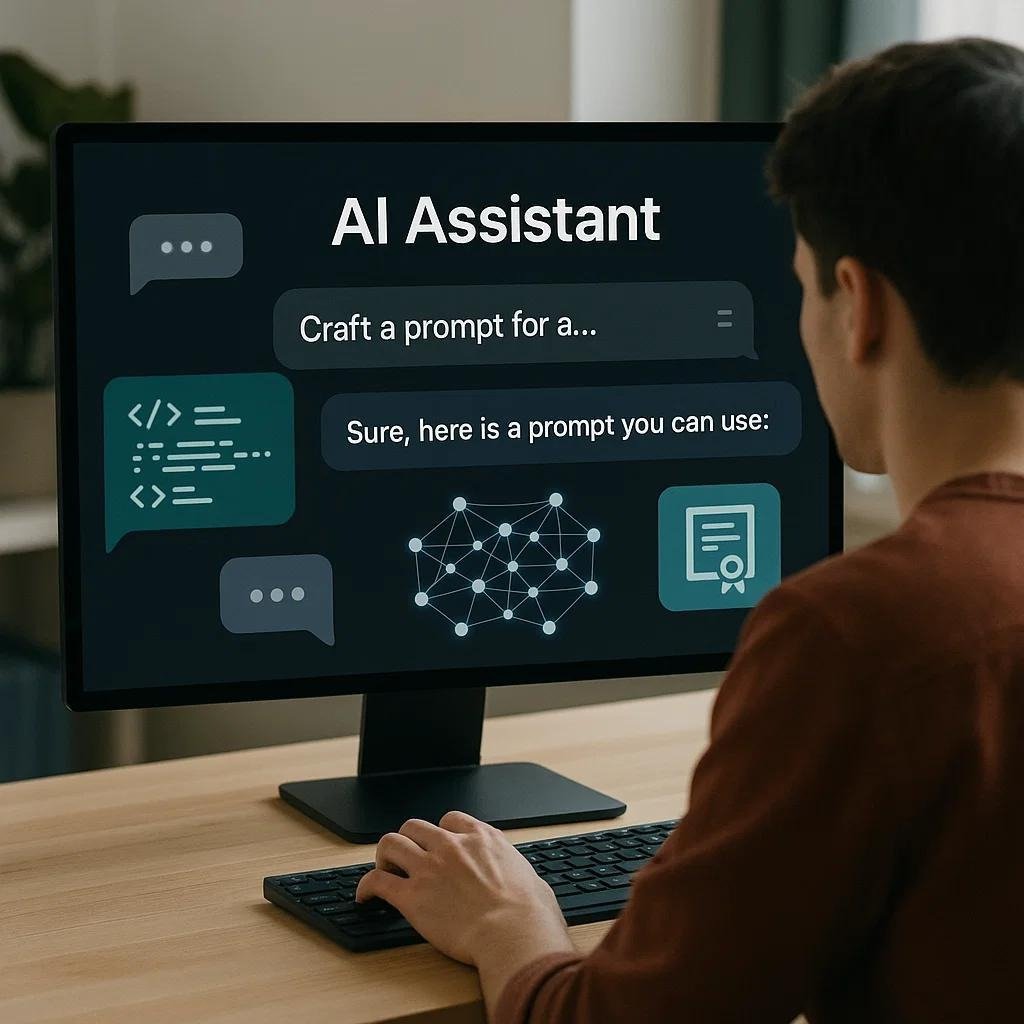
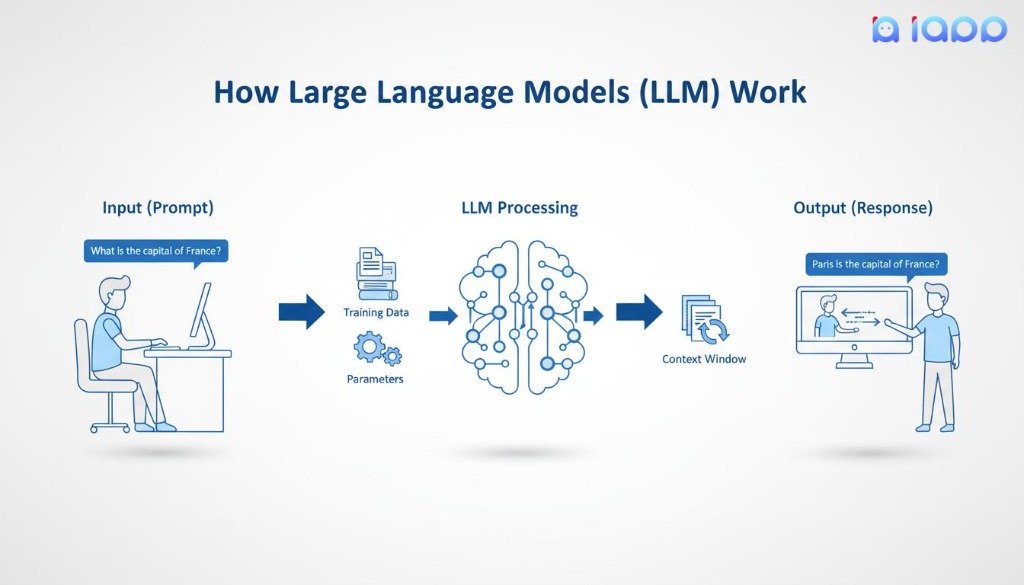
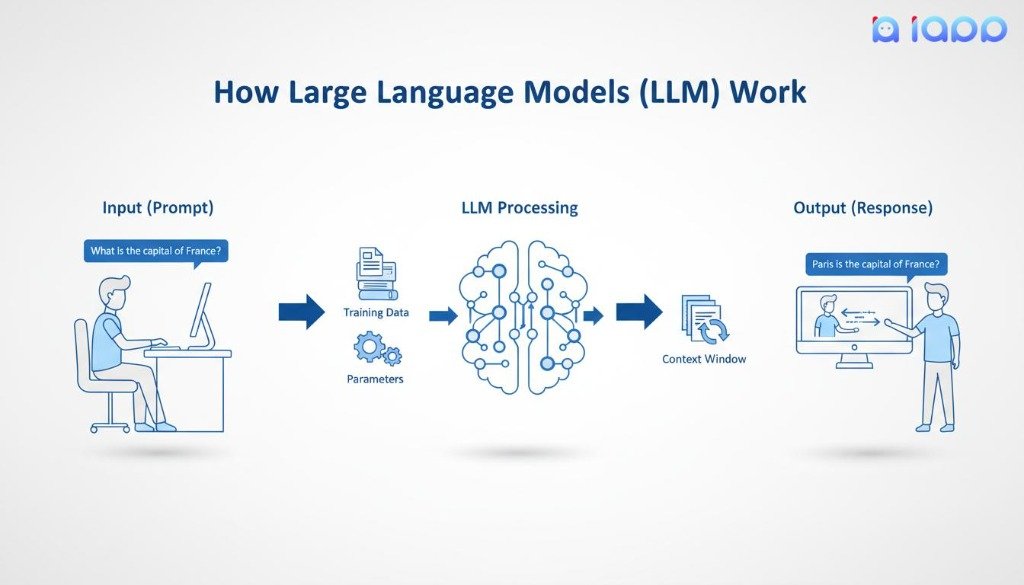
Understanding Large Language Models (LLMs)
Large Language Models, often called LLMs, are advanced AI systems trained on vast amounts of text. They learn language patterns, grammar, reasoning, and relationships between words, allowing them to generate human-like responses.
Popular LLMs include: ChatGPT, Google Gemini, Claude, Microsoft Copilot, and Meta Llama.
When you submit a prompt, the model analyzes your instructions, predicts the most suitable response based on its training, and generates an output. Although these models are highly capable, they perform best when given clear, detailed, and well-organized prompts.

Essential Prompt Writing Techniques
Writing effective prompts is more than asking a question. The goal is to provide the AI with enough context and guidance to produce accurate, useful, and consistent results.
Zero-Shot Prompting
Zero-shot prompting means asking the AI to complete a task without providing any examples. This method works well for straightforward questions and common tasks.
One-Shot Prompting
One-shot prompting provides a single example before asking the AI to perform a similar task. Providing one example helps the AI understand the desired response style.
Few-Shot Prompting
Few-shot prompting includes multiple examples before giving the final task. This technique is especially useful when you want responses in a specific format or style.
Chain of Thought Prompting
Some problems require logical reasoning rather than simple answers. Chain of Thought prompting encourages the AI to solve complex tasks step by step.
Example: Analyze the problem step by step before providing the final recommendation.
Role Prompting
Role prompting tells the AI to respond from a specific perspective or profession (e.g., Act as a software engineer, Act as a marketing consultant).
Writing Better Prompts
Simple improvements in your prompts can dramatically improve AI responses.
Instead of writing: Write about cloud computing.
Write something more detailed: Write a 1,500-word beginner-friendly article about cloud computing for university students. Use clear headings, simple language, real-world examples, and conclude with career opportunities.
Good prompts are usually: Clear, Specific, Well-structured, Context-rich, Goal-oriented.
Prompt Engineering for Image Generation
Prompt engineering is not limited to text. AI image generators also rely on detailed prompts to create high-quality visuals. Popular tools include DALL·E, Midjourney, Stable Diffusion, Adobe Firefly, and Leonardo AI.
A strong image prompt usually describes: Subject, Style, Colors, Lighting, Camera angle, Background, Mood, and Level of detail.
For example: A futuristic smart city at sunset with autonomous vehicles, flying drones, green skyscrapers, cinematic lighting, ultra-realistic, 8K resolution.
Prompt Engineering for Coding
Developers increasingly use AI assistants to speed up programming tasks. Prompt engineering helps generate source code, bug fixes, code explanations, documentation, unit tests, SQL queries, and API examples.
Providing programming language, framework, and expected functionality produces better code.
Popular Prompt Engineering Tools
Popular tools include: ChatGPT, Google Gemini, Claude AI, Microsoft Copilot, GitHub Copilot, Perplexity AI, NotebookLM, Midjourney, DALL·E, and Leonardo AI.
Career Opportunities & Salary Expectations
As AI adoption grows, professionals with prompt engineering skills are becoming valuable. Common career paths include: Prompt Engineer, AI Content Specialist, AI Research Assistant, Generative AI Consultant, AI Product Manager, AI Trainer.
Your earning potential depends on experience, industry, AI platform expertise, portfolio, communication skills, and problem-solving ability.
Complete Prompt Engineering Learning Roadmap
- Step 1: Learn AI Fundamentals: Understand Artificial Intelligence, Machine Learning, Generative AI, and LLMs.
- Step 2: Master Prompt Writing: Practice creating prompts for Writing, Coding, Research, Business, Education, Marketing, and Image generation.
- Step 3: Explore Multiple AI Platforms: Use tools like ChatGPT, Gemini, Claude, Copilot, and image generators.
- Step 4: Learn Automation: Explore platforms such as Zapier, Make, and AI workflow tools.
- Step 5: Build Real Projects: Create projects like AI Resume Builder, Blog Writing Assistant, Customer Support Chatbot, and more.
Best Certifications & Resources
Valuable certifications: Google AI Courses, Microsoft AI Learning Paths, IBM Generative AI Courses, Coursera Prompt Engineering Specializations, DeepLearning.AI, and LinkedIn Learning.
Free resources include OpenAI Documentation, Google AI Learning Resources, Anthropic Documentation, and Hugging Face Learn.
Frequently Asked Questions (FAQs)
Is Prompt Engineering difficult to learn?
No. Beginners can start quickly by practicing with AI tools and gradually learning advanced prompting techniques.
Do I need programming skills?
Not necessarily. While programming is helpful for technical roles, many prompt engineering tasks involve writing clear instructions rather than coding.
Can I earn money with Prompt Engineering?
Yes. Businesses hire professionals to create AI-powered workflows, improve chatbot responses, generate content, automate tasks, and optimize AI systems.
Which AI tool should I start with?
ChatGPT is an excellent starting point because of its versatility and beginner-friendly interface. As you gain experience, you can also explore Gemini, Claude, Copilot, and other AI platforms.
No comments yet. Be the first to share your thoughts!